


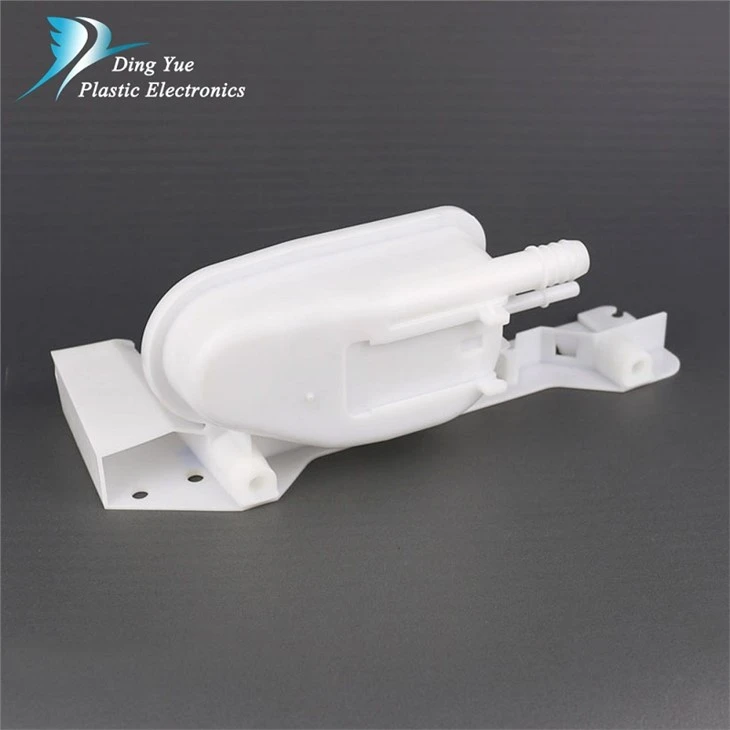


Design Considerations
The plastic part design is a crucial factor that determines the part's functionality, durability, and manufacturability. To ensure the production of high-quality plastic parts, designers must consider several factors, such as material selection, wall thickness, ribbing, draft angles, and undercuts. A well-designed part will require less time, cost, and resources to manufacture and will result in fewer defects and rejections.
Material Selection
Choosing the right plastic material is essential for producing parts with the desired properties, such as stiffness, toughness, chemical resistance, and temperature resistance.

Manufacturers must consider the application, environment, and performance requirements of the part when selecting the material. Moreover, they must ensure that the material is readily available, consistent in quality, and cost-effective.

Mold Design and Fabrication
The mold design and fabrication process are critical for achieving high-quality plastic parts. The mold must be precise, durable, and capable of producing parts with tight tolerances and uniformity. Manufacturers must use advanced technologies, such as computer-aided design (CAD),
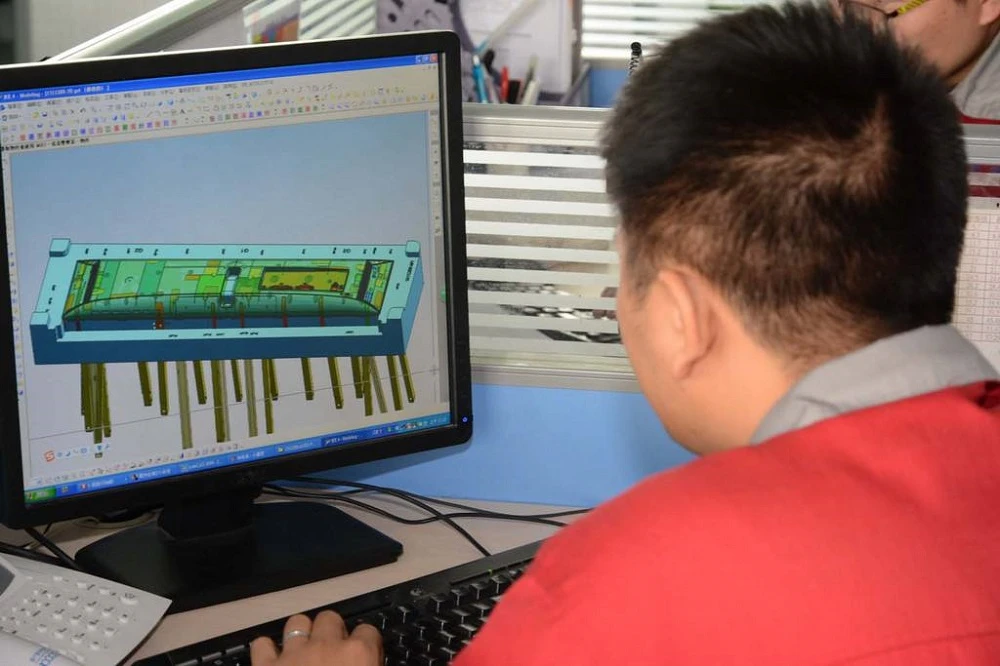
Computer-aided manufacturing (CAM), and additive manufacturing, to optimize the mold design and fabrication process. Moreover, they must perform regular maintenance and inspections to ensure the mold's longevity and efficiency.

Injection Molding Process
The injection molding process is the most common method for producing plastic parts. It involves injecting molten plastic material into a mold cavity under high pressure and temperature, then cooling and solidifying the part. Manufacturers must optimize the injection molding process by adjusting various parameters, such as injection speed, pressure, temperature, and cooling time. They must also monitor the process continues to detect any defects, such as warping, sink marks, voids, or flash, and take corrective actions promptly.

Quality Control
Quality control is crucial for ensuring that the plastic parts meet the customer's specifications and requirements. Manufacturers must implement a robust quality control system that includes inspection, testing, and documentation procedures.

They must inspect the parts for dimensional accuracy, surface finish, color consistency, and other properties. Moreover, they must perform various tests, such as tensile, impact, and chemical resistance, to ensure that the parts meet the desired performance criteria.


Sustainability
Sustainability is becoming an increasingly important aspect of plastic part production. Manufacturers must consider the environmental impact of their operations and products and strive to minimize waste, energy consumption, and emissions. They must use recycled or bio-based materials, implement energy-efficient technologies, and reduce their carbon footprint. Moreover, they must comply with the relevant regulations and standards, such as RoHS, REACH, and ISO 14001.
Conclusion
Plastic part production is a complex and demanding process that requires expertise, technology, and innovation. To achieve high-quality products, efficiency, and cost-effectiveness, manufacturers must consider several aspects, such as design considerations, material selection, mold design and fabrication, injection molding process, quality control, and sustainability. By optimizing each of these aspects, manufacturers can ensure that they deliver products that meet the customer's expectations and requirements and contribute to a sustainable future.
Hot Tags: plastic part production, China, manufacturers, suppliers, factory, customized, wholesale, buy


