


What is Surface Finish in Injection Molding?
The surface finish of an injection molded part refers to the texture and appearance of the part's surface. A smooth and consistent surface finish is essential for many applications, as it can impact the part's function, aesthetics, and durability. Surface finish is typically measured in units of roughness, with lower values indicating a smoother surface.
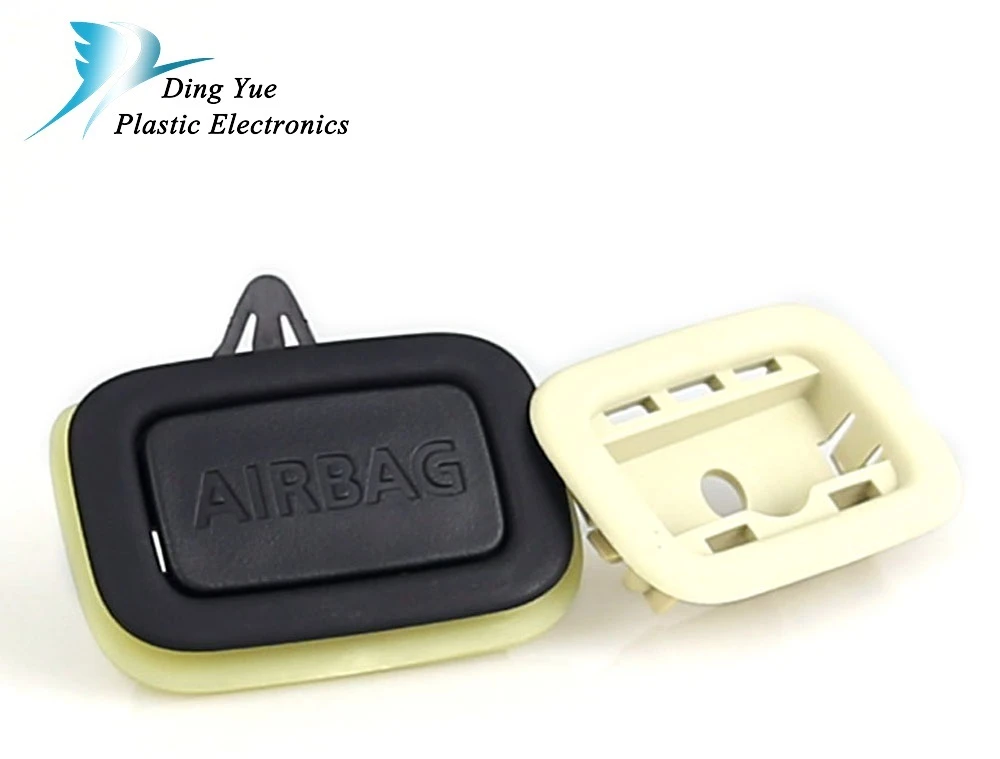
Injection Molding Surface Finish Standards The surface finish of injection molded parts can be impacted by a variety of factors, including mold design, material selection, and processing parameters. To ensure consistent and high-quality surface finishes, the injection molding industry has established a set of surface finish standards. These standards provide guidelines for surface roughness, texture, and appearance and can help ensure that parts meet the required specifications.

The two primary surface finish standards for injection molding are:
SPI Standards: The Society of Plastics Industry (SPI) has established a set of surface finish standards for injection molding. The SPI standards define 12 different surface finish grades, ranging from a high gloss (Grade A) to a rough texture (Grade D3). The SPI standards also provide guidelines for the measurement and characterization of surface finish, including the use of instruments such as profilometers and microscopes.
VDI Standards: The Verein Deutscher Ingenieure (VDI) has also established a set of surface finish standards for injection molding. The VDI standards define six different surface finish classes, ranging from a high gloss (Class 1) to a matte finish (Class 6). The VDI standards also provide guidelines for the measurement and characterization of surface finish, including the use of tactile and optical instruments.

The selection of the appropriate surface finish standard depends on the requirements of the part and the application. For example, parts used in medical or food processing applications may require a high gloss and smooth surface finish to facilitate cleaning and minimize the risk of bacterial growth. On the other hand, parts used in industrial applications may require a rougher surface finish to improve grip and reduce slipping.
Conclusion The surface finish of injection molded parts is an essential consideration that can impact the quality and function of the final product. The injection molding industry has established a set of surface finish standards, such as the SPI and VDI standards, to ensure that parts meet the required specifications. By understanding these standards and working closely with a knowledgeable manufacturer, it is possible to achieve consistent and high-quality surface finishes for injection molded parts.
Hot Tags: injection molding surface finish standards, China, manufacturers, suppliers, factory, customized, wholesale, buy


