


Mold Injection Manufacturing Process
The mold injection manufacturing process involves several steps, including:
Design: The first step is to create a 3D design of the part that needs to be produced. This design can be created using computer-aided design (CAD) software.

Mold creation: Once the design is finalized, a mold is created based on the design specifications. The mold is typically made from steel or aluminum and is precision machined to produce the desired shape.


Injection: Next, the molten plastic material is injected into the mold cavity at high pressure. The material fills the cavity and takes on the shape of the mold.

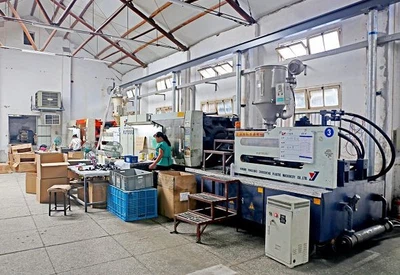
Cooling: The plastic material is left to cool and solidify inside the mold. Once it has hardened, the mold is opened, and the part is ejected.
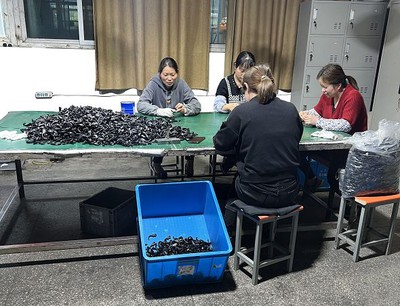
Finishing: Finally, the part is finished and inspected for quality before it is sent to the client.

Advantages of Mold Injection Manufacturing
Mold injection manufacturing offers several advantages over other manufacturing processes, including:
Cost-effective: Mold injection manufacturing is a highly efficient and cost-effective process that can produce large volumes of parts quickly and at a low cost.
Precision and accuracy: The process allows for the production of highly precise and accurate parts with tight tolerances.
Versatility: The process can be used to produce parts of various shapes, sizes, and complexities.
Material selection: Mold injection manufacturing can use a wide range of materials, including thermoplastics, thermosets, and elastomers, making it suitable for various applications.
Applications of Mold Injection Manufacturing
Mold injection manufacturing has a wide range of applications in various industries, including:
Automotive: Mold injection manufacturing is used in the production of various components in cars, including dashboard parts, door panels, and trim pieces.
Medical: The process is used in the production of medical devices, including syringes, inhalers, and blood filters.
Consumer goods: Mold injection manufacturing is used in the production of various consumer goods, including toys, kitchen appliances, and electronics.
Aerospace: The process is used in the production of components for aircraft and spacecraft.
Conclusion
Mold injection manufacturing is a highly efficient and cost-effective process that produces high-quality plastic parts and components. The process offers several advantages over other manufacturing processes, including precision, accuracy, versatility, and material selection. It has a wide range of applications in various industries, including automotive, medical, consumer goods, and aerospace, among others. With the increasing demand for high-quality plastic parts, mold injection manufacturing is set to play a critical role in the manufacturing sector for years to come.

Hot Tags: mold injection manufacturing, China, manufacturers, suppliers, factory, customized, wholesale, buy


