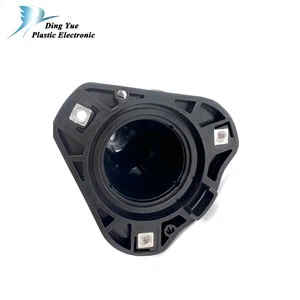


Rubber Injection Molding
Rubber injection molding is a process used to create rubber parts with high accuracy and consistency. This process involves melting rubber pellets in a heated barrel, then injecting the melted rubber into a mold cavity under high pressure. The rubber is then cooled and ejected from the mold, resulting in a finished product.

Rubber injection molding is commonly used to create seals, gaskets, O-rings, and other rubber components used in automotive, aerospace, medical, and industrial applications. The process is also used to create rubber parts with complex shapes or thin walls that would be difficult to achieve with other manufacturing methods.
Advantages of Rubber Injection Molding:
Precision and accuracy: Rubber injection molding produces highly precise and accurate parts with tight tolerances, making it ideal for applications where consistency and quality are critical.
Versatility: Rubber injection molding can be used to create a wide range of products with different sizes, shapes, and properties.
Efficiency: Rubber injection molding can produce large quantities of parts quickly and efficiently, reducing manufacturing time and costs.
Disadvantages of Rubber Injection Molding:
High initial cost: Rubber injection molding requires expensive equipment and molds, making it less accessible for small-scale manufacturers.


Material limitations: Rubber injection molding is limited to certain types of rubber materials that can be melted and injected, which may not meet all manufacturing needs.
Plastic Injection Molding
Plastic injection molding is a process used to create plastic parts with high accuracy and consistency. This process involves melting plastic pellets in a heated barrel, then injecting the melted plastic into a mold cavity under high pressure. The plastic is then cooled and ejected from the mold, resulting in a finished product.

Plastic injection molding is commonly used to create products such as toys, electronic components, automotive parts, and medical devices. The process is also used to create plastic parts with complex shapes or thin walls that would be difficult to achieve with other manufacturing methods.
Advantages of Plastic Injection Molding:
Precision and accuracy: Plastic injection molding produces highly precise and accurate parts with tight tolerances, making it ideal for applications where consistency and quality are critical.
Versatility: Plastic injection molding can be used to create a wide range of products with different sizes, shapes, and properties.

Efficiency: Plastic injection molding can produce large quantities of parts quickly and efficiently, reducing manufacturing time and costs.
Disadvantages of Plastic Injection Molding:
Material limitations: Plastic injection molding is limited to certain types of plastic materials that can be melted and injected, which may not meet all manufacturing needs.
Environmental concerns: Plastic injection molding produces waste material that can be difficult to dispose of, contributing to environmental pollution.
Conclusion
Rubber and plastic injection molding are two widely used manufacturing processes that offer high precision and accuracy in the creation of complex parts. While there are differences between the two processes, they share many advantages and disadvantages. Choosing between rubber and plastic injection molding depends on the specific manufacturing needs and product requirements. With advancements in technology and the development of new materials, both processes will continue to play a critical role in the manufacturing industry.
Hot Tags: rubber and plastic injection molding, China, manufacturers, suppliers, factory, customized, wholesale, buy