


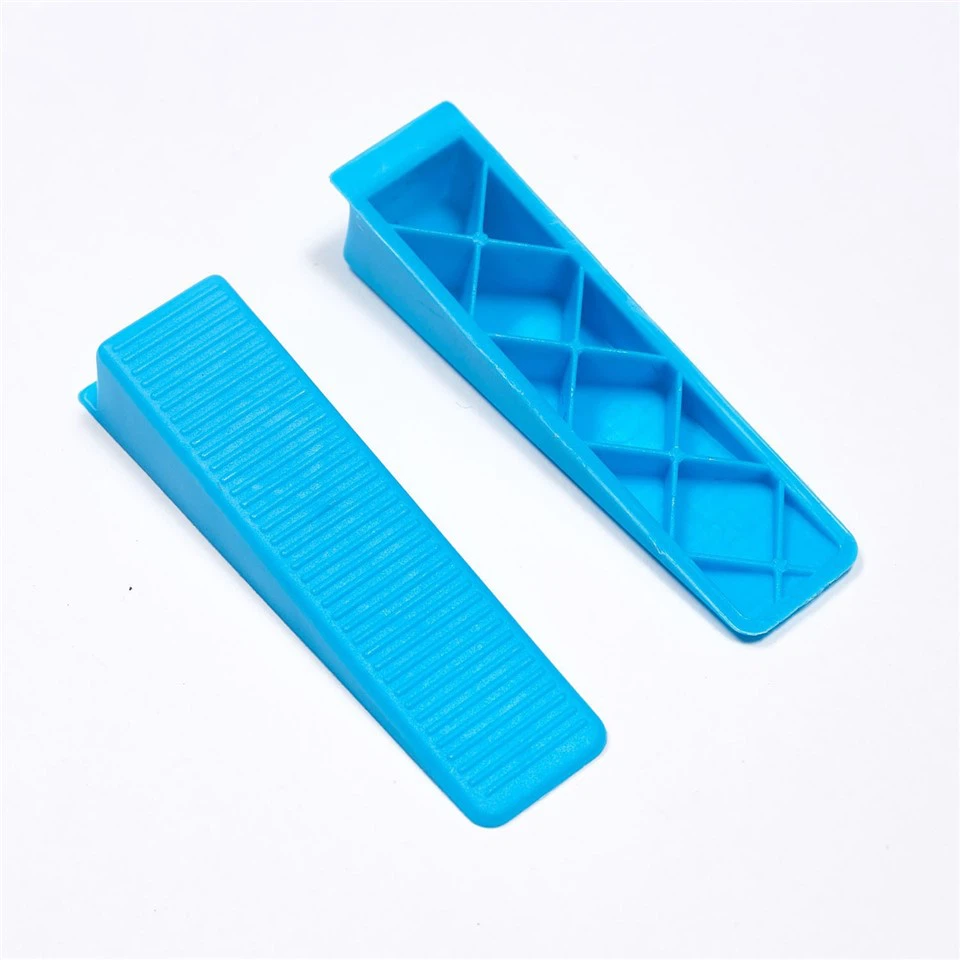


Tile Wedge Mastery: Advanced Techniques for Flawless Height Alignment
Achieving perfect tile alignment represents the pinnacle of installation craftsmanship, where millimeter precision separates professional results from amateur attempts. The evolution of wedge-based leveling systems has revolutionized this process, offering unprecedented control over tile height consistency. This technical guide explores sophisticated methodologies that leverage modern wedge technology to overcome installation challenges. We'll examine how proper wedge application can transform complex installations, address material-specific considerations, and ensure long-term durability through scientifically-backed techniques.
Advanced Wedge Mechanics and Force Optimization

The effectiveness of tile wedges extends beyond simple mechanical advantage to encompass sophisticated force distribution principles.
Pressure Gradient Management
Professional installers utilize wedges to create controlled pressure gradients across tile surfaces. Unlike uniform pressure application, strategic wedge placement establishes varying pressure zones that accommodate natural tile curvature while maintaining edge alignment. This approach recognizes that tiles rarely possess perfect flatness, requiring customized pressure profiles rather than brute-force leveling.

Dynamic Load Distribution
As mortar cures, wedge systems facilitate continuous load redistribution. The initial pressure application represents just the beginning of a dynamic process where wedges maintain consistent force as mortar compresses and settles. This ongoing adjustment prevents the "spring-back" effect common in traditional installations where tiles gradually return to their original warped positions.
Material-Specific Installation Protocols
Different tile materials demand customized wedge approaches to address their unique characteristics and vulnerabilities.
Large Format Porcelain Strategies

For tiles exceeding 24-inch dimensions, implement a multi-zone wedge placement strategy. Divide each tile into virtual quadrants, placing wedges at each division point rather than just at corners. This distributed approach counteracts the increased warpage potential of larger tiles while providing intermediate support points that prevent mid-span deflection.
Natural Stone Considerations

Stone tiles require gentle yet precise pressure application. Use wedge systems with broader contact surfaces to distribute force across larger areas, preventing point loading that can fracture delicate veining. Employ a graduated engagement technique where pressure increases incrementally over 15-20 minute intervals, allowing the stone to acclimate to stress gradually.
Advanced Installation Sequencing
Sophisticated wedge application involves strategic sequencing that optimizes both efficiency and results.
Progressive Grid Methodology
Rather than installing wedges randomly, follow a systematic grid pattern that progresses from the installation's center toward the perimeter. This approach ensures that pressure radiates outward, minimizing the accumulation of alignment errors. The technique is particularly effective for large areas where cumulative inaccuracies can become significant.

Cross-Reference Alignment
Implement a dual-axis verification system where wedges are adjusted with reference to both adjacent tiles and distant benchmarks. This prevents localized perfection at the expense of overall plane consistency. Use laser levels or taught strings to maintain reference points beyond immediate working areas.

Environmental Factor Integration
Professional results account for installation environment variables that affect wedge performance.
Temperature Compensation Techniques
Tile materials expand and contract with temperature fluctuations. In environments with significant temperature variation during installation, adjust wedge tension to accommodate anticipated movement. For warm conditions, leave slight additional space for expansion; in cool environments, achieve full immediate compression.
Humidity Adaptation
Mortar curing rates vary with humidity levels. In high-humidity conditions, extend wedge engagement periods before final adjustment. Low-humidity environments may require more frequent, lighter adjustments as mortar cures rapidly.
Innovative Application Techniques
Beyond basic installation, wedges enable creative solutions to complex challenges.
Compound Slope Management
In shower installations requiring multi-directional slope, use wedges to create precise gradient transitions. By varying wedge engagement depth systematically, installers can achieve complex drainage patterns while maintaining plane consistency. This technique requires careful planning but produces superior water management.
Transition Zone Optimization
Where different tile sizes or materials meet, employ graduated wedge strategies that accommodate varying thicknesses and characteristics. Create custom shim combinations that address height differences while maintaining the integrity of each material's installation requirements.
Quality Verification Methods
Advanced installers implement rigorous verification protocols to ensure lasting results.
Post-Installation Assessment
After wedge removal, conduct comprehensive alignment verification using multiple assessment methods. Combine straightedge evaluation with oblique lighting techniques that reveal subtle variations. Document results to establish quality benchmarks and identify areas for technique refinement.
Long-Term Performance Monitoring
Establish procedures for monitoring installations over time. Note that properly wedge-leveled installations should maintain alignment through seasonal changes and normal use. Track performance to validate technique effectiveness and make data-driven improvements.
Advanced Equipment Optimization
Equipment selection and maintenance significantly impact wedge system performance.
Specialized Mallet Applications
Beyond basic dead-blow mallets, consider specialized impact tools for specific applications. Rubber-coated mallets provide maximum force transmission with minimal bounce, while nylon-faced versions offer clean strikes without marking wedge surfaces. Match mallet characteristics to specific installation challenges.

Custom Wedge Modifications
For unique situations, professionals sometimes modify standard wedges to address specific challenges. This might involve slight taper adjustments for unusual thickness variations or surface texturing for improved grip in high-vibration environments. Such modifications should be approached cautiously with thorough testing.
Expert Implementation Framework
- Systematic Approach: Develop consistent methodologies rather than situational solutions
- Continuous Assessment: Implement ongoing quality checks throughout installation
- Adaptive Techniques: Modify approaches based on real-time observations
- Documentation Practice: Record techniques and outcomes for continuous improvement
- Peer Validation: Seek feedback from other professionals to refine methods
Conclusion: The Art and Science of Wedge Mastery
True wedge mastery represents the intersection of technical knowledge, practical skill, and artistic sensibility. The journey from basic competency to expert-level proficiency involves developing deep understanding of material behaviors, force dynamics, and environmental factors. As tile installation continues evolving with new materials and design challenges, wedge techniques must similarly advance.
Hot Tags: tile wedge installation, China, manufacturers, suppliers, factory, customized, wholesale, buy


