


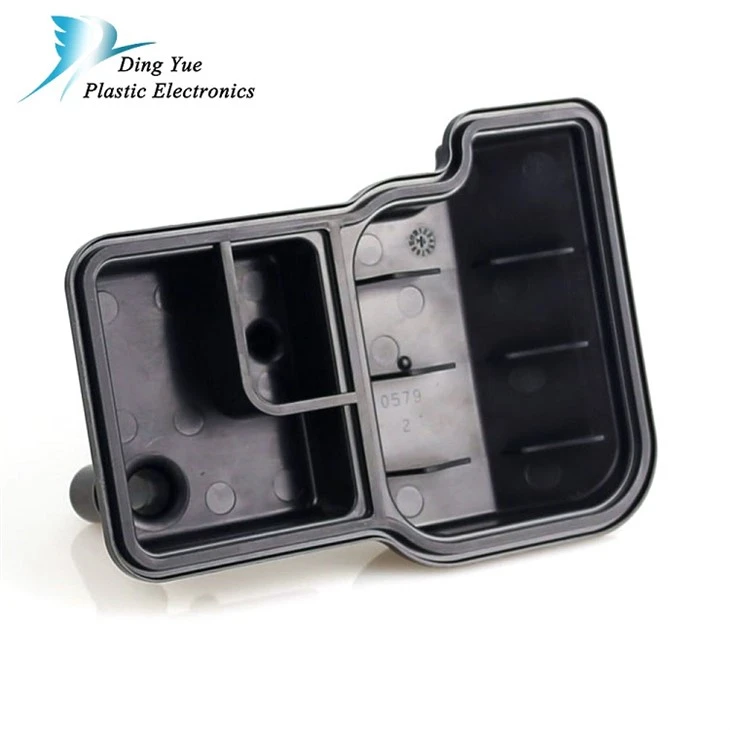
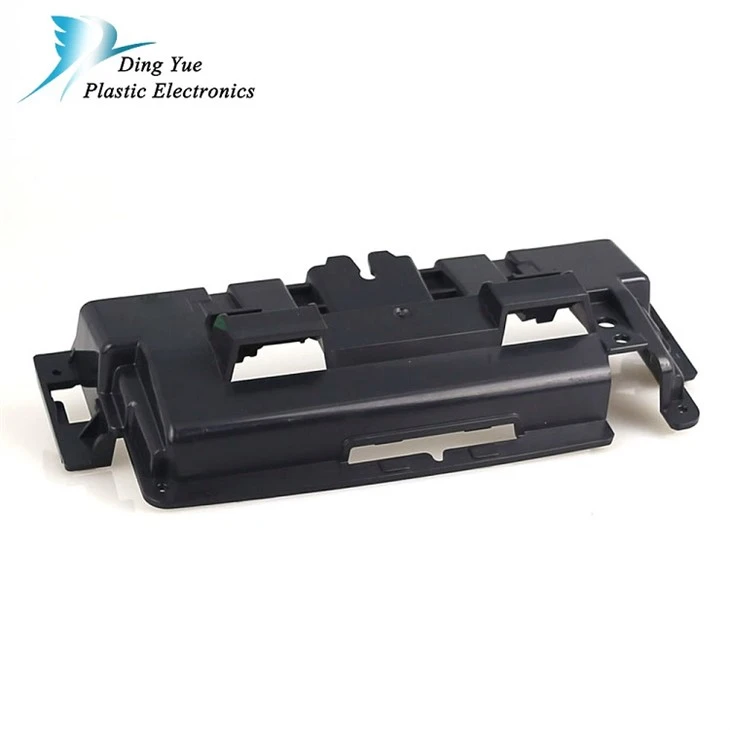


The process of molding car parts involves multiple steps, each crucial to the final result. We’ll break down the process step by step, so readers can understand how this process works and how it impacts the auto industry.
Step 1: Design
The first step is to design the part. The design team creates a digital file that captures the part's dimensions, shape, and other specifications. Modern technology allows for 3D modeling software to be used, which enables designers to create a highly detailed representation of the part.


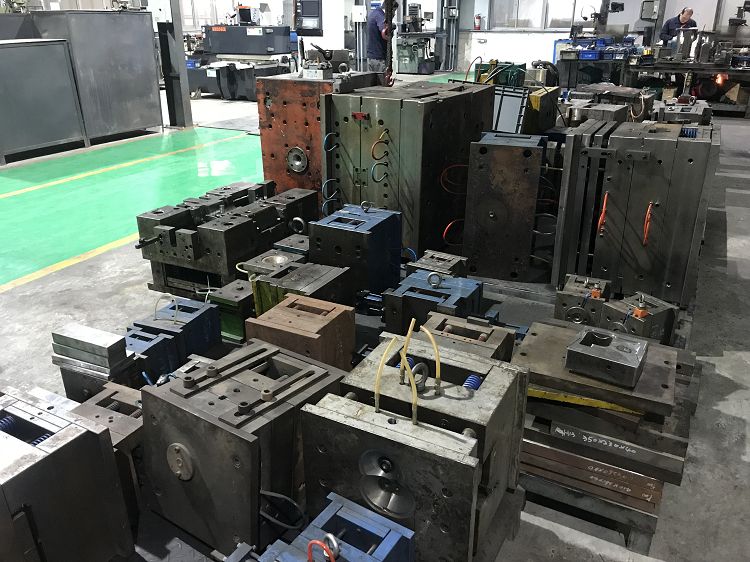
Step 2: Molding
The next step is the molding process itself. This step involves pouring a molten material, usually plastic or rubber, into a mold that has been created from the digital design created in step one. The mold is made from a hard and durable material, such as steel, so it can tolerate the extreme heat and pressure required for the molding process. The molds are precision made, so each part produced is identical.

Step 3: Cooling
After the molten material has been poured into the mold, it is left to cool and set. This step is crucial to ensure that the part's shape and dimensions are accurate and consistent. The cooling process can take anywhere from a few seconds to several minutes, depending on the size and complexity of the part.
Step 4: Finishing
Once the part has cooled and set, it is removed from the mold and any excess material is trimmed off. The part is then subjected to finishing procedures, which can include sanding, painting, or polishing to give it the desired texture and finish.
Molding car parts offer several advantages over traditional manufacturing methods. One of the biggest advantages is the accuracy and consistency of the final product. Because the molds used in the process are designed to be extremely precise, each part produced will be identical in size and shape, ensuring a perfect fit with other parts in the vehicle. Additionally, the process of molding car parts is faster and more efficient than traditional manufacturing methods, which can help to reduce costs and increase productivity.


In conclusion, molding car parts is a highly technical process that requires precision engineering and the latest technology. However, it is a process that is worth the investment, as it offers several advantages over traditional manufacturing methods. Molding car parts enables manufacturers to produce parts that are accurate, consistent, and of high quality, which translates to better vehicles for consumers. Given the ever-changing demands and challenges that the automotive industry faces, molding car parts is a technology that will continue to grow in importance for years to come.

Hot Tags: molding car parts, China, manufacturers, suppliers, factory, customized, wholesale, buy


